


Buy iPhone Pallets (50 Units) Bulk Auctions Guide

Original price was: €7,500.00.€5,500.00Current price is: €5,500.00.
iPhone Pallets
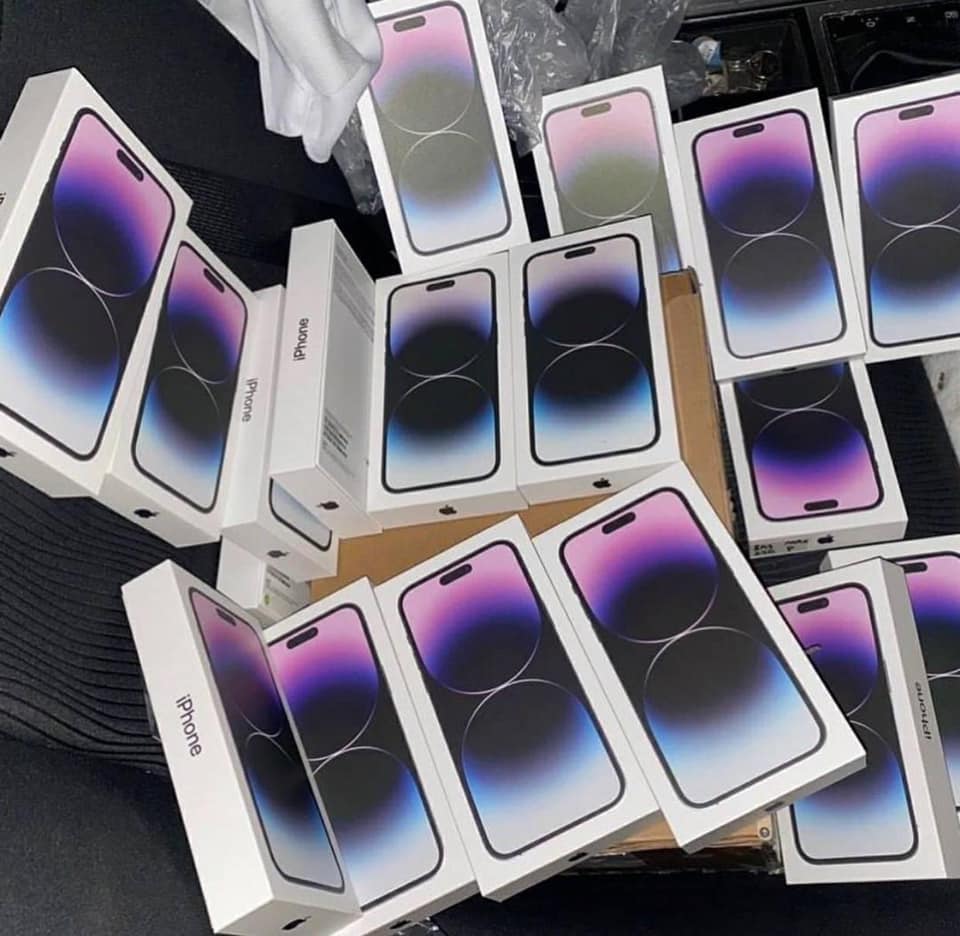
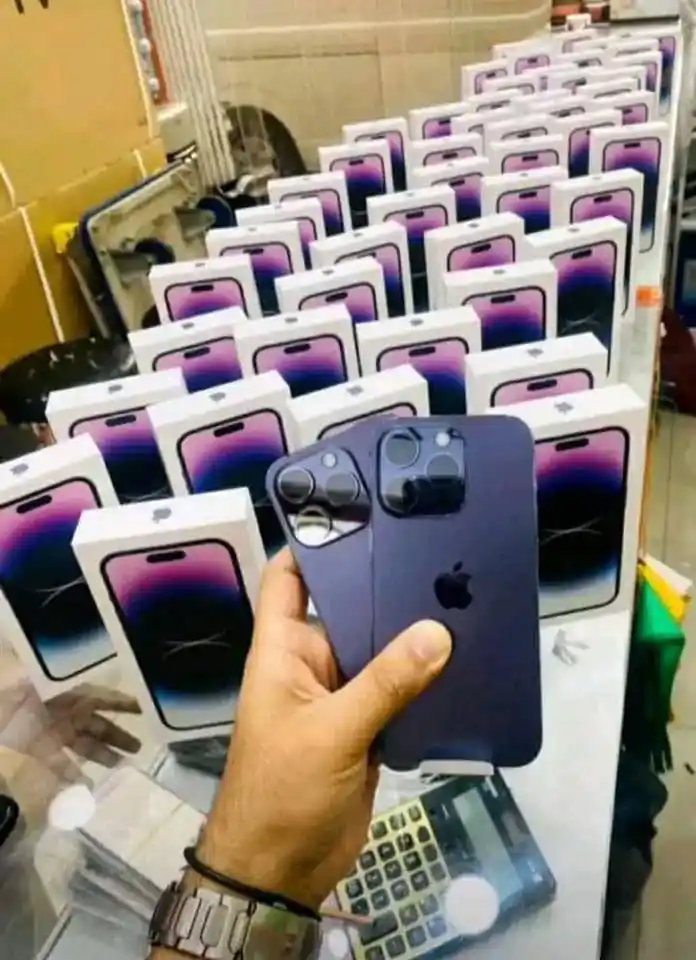
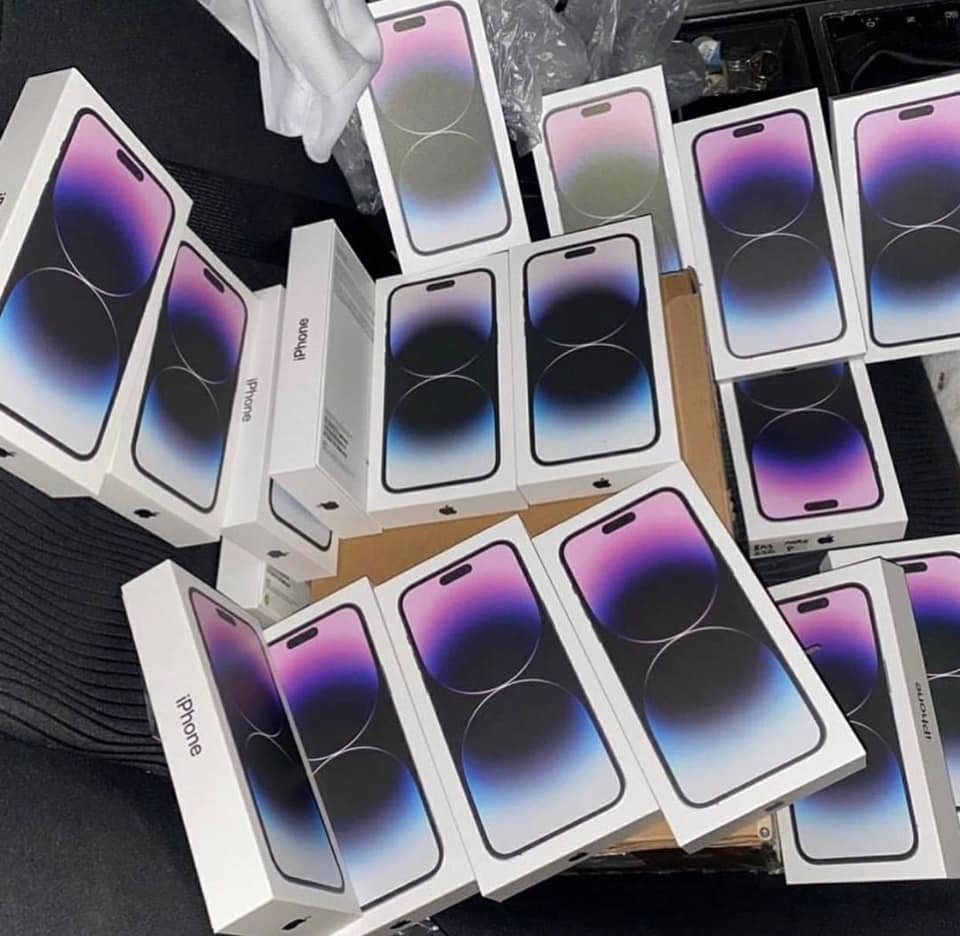
What exactly is included when you buy a pallet of iPhones? Fundamentally, iPhone pallets are bulk lots of Apple devices and accessories bundled together, typically on a standard shipping pallet. These bundles are created by liquidators to move large volumes of stock quickly and efficiently. The contents often stem from the vast liquidation ecosystem.
Typical sources of these high-demand iPhone pallets include:
-
Customer Returns: Items bought directly from Apple or major retailers and returned within a standard cooling-off period. These are the most common source and range from Grade A (unopened) to Grade C (used with faults).
-
Overstock: Brand-new, unsold inventory from retailers or distributors, often due to discontinued lines or seasonal clearances.
-
Insurance Claims: Devices that have been recovered or replaced following damage or loss, often requiring repair or assessment.
-
Untested Devices: Stock where the liquidator has not invested the time or money to test each unit, meaning the condition is a gamble.
Selling Point: If you are serious about electronic reselling, you should explore trusted suppliers now to secure high-quality iPhone pallets before they sell out. The demand for these goods is constant, meaning the best lots are often the first to go.
What Quality Should You Expect In iPhone Liquidation Pallets?
When purchasing large lots of phones, the quality is rarely uniform. Understanding the grading system is paramount to assessing risk and projected profit. A reliable supplier should always provide a manifest showing the grading.
Condition Affects Resale Value: A pallet with a high concentration of Grade A/B devices carries less risk and commands a higher price because the time and cost involved in preparing them for resale is minimal. Conversely, a pallet of “untested” devices may be cheaper initially, but your ultimate cost will include labor, parts, and write-offs.
What Types Of Phones Are Found In iPhone Liquidation Pallets?
The contents of iPhone liquidation pallets are dynamic, shifting based on the current market and the source of the stock. It is rare to find a pallet consisting only of the very latest model.
Common Model Ranges and Conditions:
-
Newer Generations (iPhone 13, 14, 15 series): These are usually found in smaller quantities and typically come from customer returns or overstock. They often command a higher proportion of the pallet’s total value.
-
Mid-Range Generations (iPhone X, 11, 12 series): This range forms the bulk of many pallets, as they are popular trade-ins or devices replaced during insurance claims. They offer the most stable profit margins.
-
Older Generations (iPhone 8, SE, etc.): While less valuable individually, these are excellent for international markets, budget-conscious buyers, or being stripped for valuable components.
-
Common Conditions Included:
-
Locked Devices: Phones still tied to a carrier network, requiring unlocking for use with others.1
-
iCloud Locked Devices: A significant risk; these are often unsaleable unless the original owner removes the lock. Always confirm your supplier’s policy on iCloud-locked stock.
-
Cracked Screens or Casings: These are standard and factored into the Grade C or D classification.
-
Refurbished Units: Devices that have already been professionally repaired and tested, often holding a high B or even A grade.
-
How To Buy iPhone Liquidation Pallets?
Purchasing iPhone liquidation pallets requires due diligence. It is easy to be tempted by low prices, but a disastrous purchase can wipe out months of profit.
Evaluating Suppliers
Choosing the right supplier is the single most important decision. You should approach potential sellers with skepticism, demanding transparency and proof of legitimacy.
The Process of Verification and Stock Condition:
-
Request a Detailed Manifest: This is not optional. A professional liquidator will provide a manifest listing quantities, model numbers, a breakdown of grades (A, B, C, D, Untested), and the stated functional condition (e.g., ‘cracked screen,’ ‘power on, no display’).
-
Verify Customer Reviews and Authenticity: Search independent forums and review sites for feedback on the supplier. iPhone pallets are a huge investment; never rely solely on testimonials found on the supplier’s own website.
-
Confirm Source and Authenticity: Ask where the stock originated. Vague answers like “various retailers” should raise a red flag. Look for proof that the phones are genuine Apple products and not counterfeits, which unfortunately do appear in the liquidation supply chain.
Be the first to review “Buy iPhone Pallets (50 Units) Bulk Auctions Guide”
Related products


Apple Pallets
Reviews
There are no reviews yet.